
When it comes to car upgrades, tyre rims are often picked for their looks. But don’t let aesthetics blind you to the one thing that matters most, rim quality. Cheap, poorly made rims might save you money upfront, but the long-term cost to your car’s safety and performance can be huge.
Here’s why investing in high quality rims is not just a style choice, it’s a safety decision.
1. Poor Rim Quality = Higher Safety Risks
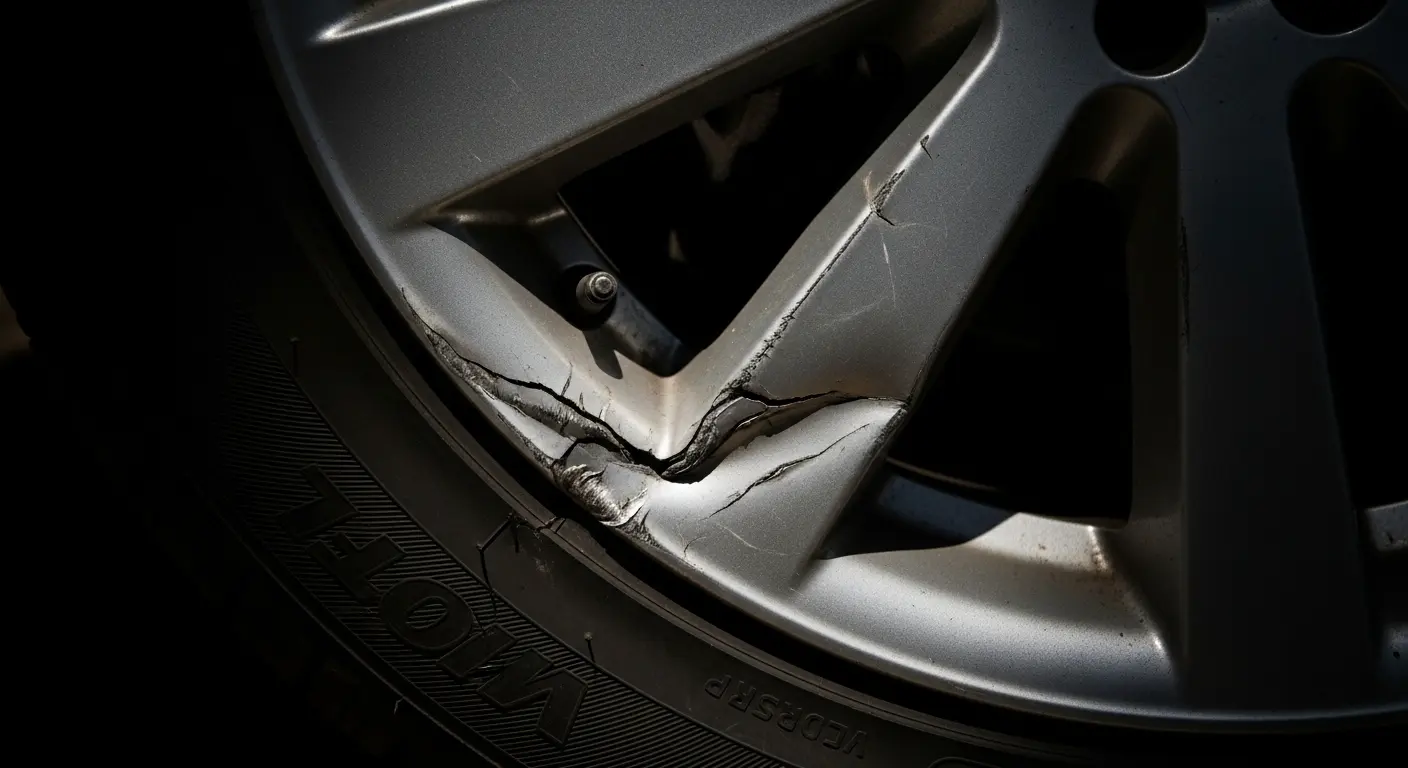
The truth is, not all rims are created equal. Low-cost, unbranded, or counterfeit options might look good, but they’re often made from inferior materials. These rims can crack, bend, or even break under stress, especially on unpredictable Indian roads.
A safety rim should be tested for strength, load capacity, and resistance to heat and impact. Unfortunately, many cheap rims skip these essential quality checks. A rim failure at high speed can lead to loss of control, putting your life and others at risk.
If you’re not sure whether your rim is certified or safe, get in touch with a car expert or trusted technician to verify its build quality.
2. Material & Build Make All the Difference
High quality rims are usually forged or cast using strong alloys. This manufacturing process ensures better weight distribution, improved durability, and lower chances of cracking under pressure.
On the other hand, cheap rims are often made using poor casting techniques or recycled metals. The result? Weak spots, poor finish, and an overall lack of reliability. You may not notice it immediately, but over time, they increase wear on suspension parts, reduce handling precision, and can lead to early tyre damage.
3. Performance Matters, Even If You’re Not Racing
You don’t have to be a performance driver to appreciate the benefits of quality rims. Everyday driving feels smoother and more responsive with good rims. Lightweight, high quality rims reduce unsprung weight, improving acceleration, braking, and steering.
In contrast, low-quality car rims can be heavier and uneven, leading to vibration at high speeds and stress on wheel bearings. If you’re feeling your steering wobble or hearing strange noises after a rim change, it might be time to upgrade, and consult a car expert to inspect your current set.
4. Reputation Matters: Stick to Trusted Rim Brands
When buying rims, stick to reputable rim brands known for safety and quality assurance. These brands invest in R&D, undergo safety certifications, and build products that last. It’s not just about the name, it’s about proven performance.
Ask your dealer about origin, warranty, and material specs. If they can’t give clear answers, walk away. Remember: if the price feels too good to be true, it probably is.
5. Long-Term Savings (And Peace of Mind)
Yes, high quality rims cost more. But they also last longer, perform better, and save you from expensive repairs caused by failed or warped rims. Replacing cheap rims after they’ve bent, cracked, or damaged your tyres ends up costing more in the long run.
Plus, when it comes time to sell your car, having premium tyre rims from a trusted brand adds to resale value and shows you’ve cared for your vehicle properly.
Final Thoughts
When it comes to your wheels, quality isn’t optional; it’s critical. Don’t let cheap pricing put your safety, performance, and long-term costs at risk. Whether you’re replacing a damaged car rim or upgrading your ride, make sure you’re choosing wisely.
Get in touch with a car expert before buying new rims. They’ll help you evaluate compatibility, safety standards, and the best rim brands for your driving needs.
Because when your rims are right, everything else, from safety to speed, just rolls better.