
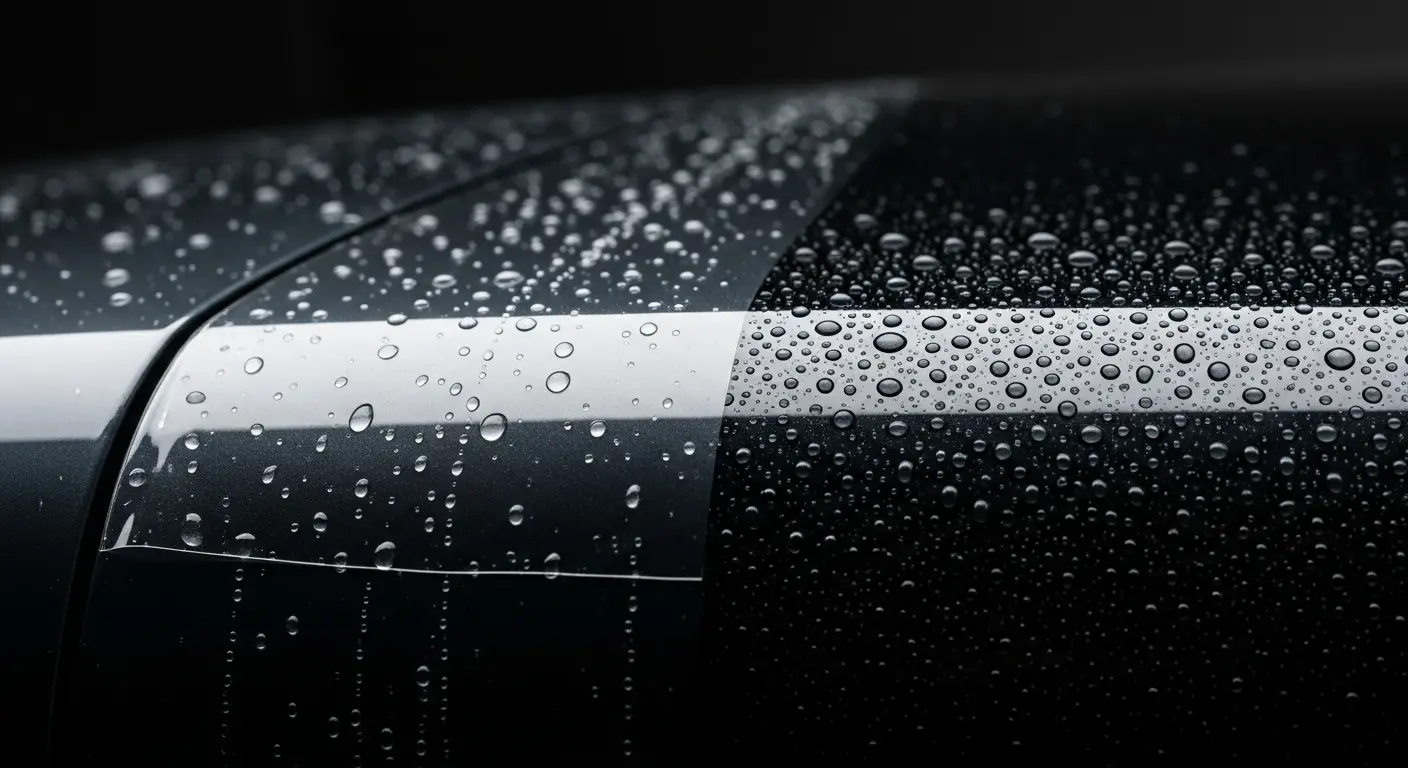
Upgrading your car’s shine or defending its paint against Indian roads, you’re likely to face the pivotal ppf vs ceramic coating debate. With both options promising advanced exterior care, understanding the real-world difference between ppf and ceramic coating is essential before making an investment.
The Difference Between PPF and Ceramic Coating
When comparing these two, the difference between ppf and ceramic coating is primarily in their material, method of protection, and end usage. Paint protection film vs ceramic coating is not a “better or worse” choice universally—it’s about which solution fits your usage, budget, and expectations.
- Paint Protection Film (PPF): A clear, flexible, thick polyurethane film applied on the car’s bodywork. PPF is designed for physical protection, defending your paint against stone chips, scratches, and road debris.
- Ceramic Coating: A liquid polymer that bonds chemically to your car’s paint, forming a thin, hard, glass-like layer. It boosts gloss, repels water and dirt, shields from chemicals, UV rays, and minor scratches, but is less suited to stopping deeper damage.
PPF vs Ceramic Coating: Pros & Cons Comparison Table
| Feature | Paint Protection Film (PPF) | Ceramic Coating |
| Thickness | Thick, flexible film | Extremely thin liquid coat |
| Main Protection | Chips, scratches, impacts | UV, chemicals, minor scratches |
| Longevity | 5–10 years | 2–5 years |
| Appearance | Invisible, original paint look | Intense gloss, deep shine |
| Self-Healing | Yes (for minor scratches) | Only with some advanced formulas |
| Hydrophobic | Medium (good with modern films) | Superior water beading |
| Maintenance | Needs routine cleaning | Easiest to clean, self-cleaning |
| Cost | Higher upfront, costlier to repair | Lower initial cost, easier upkeep |
| Removal | Can be removed, preserves paint | Removable with polish/abrasives |
| Risk of Yellowing | Possible if low quality | Does not yellow, but can degrade |
| Customization | Available in clear or matte/tint | No colour change, enhances gloss |
PPF Pros
- Delivers the best physical protection against stone chips, scratches, and direct impacts.
- Self-healing: Minor scratches vanish with hot water or sunlight.
- Shields against chemical stains, bug splatter, and bird droppings.
- Preserves your original paint, and can be removed safely for resale or refresh.
PPF Cons
- More expensive up front compared to ceramic coating.
- May yellow if poor quality or lacking proper care.
- Installation must be professional; poorly applied PPF can peel or trap bubbles.
- Film edges may show on certain body shapes.
Ceramic Coating Pros
- Creates a brilliant, glass-like shine and deep gloss on paint.
- Hydrophobic properties: Water and dirt slide right off.
- Acts as an effective shield against UV rays, chemical spots, and surface oxidation.
- Makes cleaning easier, so you spend less effort washing your car.
Ceramic Coating Cons
- Won’t stop stone chips or significant scratches.
- No self-healing ability like PPF.
- May require periodic touch-ups to keep its shine and protection.
- Can be removed by aggressive polishing.
Which Lasts Longer: PPF or Ceramic Coating?
As a rule, PPF generally lasts 5 to 10 years if maintained properly, while ceramic coatings usually remain effective for two to five years. PPF resists ageing and wear better, especially if you’re battling Indian city traffic, highways, or the occasional rough patch.
Does PPF Turn Yellow?
High-quality modern paint protection films are designed to resist yellowing. But if you use a low-grade PPF, constant sun and pollution exposure can cause some yellowing over time. Proper cleaning and quality installation make a big difference in keeping your PPF looking fresh.
Disadvantages of Ceramic Coating
While ceramic coatings boost gloss and offer superb chemical and UV defence, they don’t protect against stone chips or deeper scratches. If not applied by a professional, you might not get the full life or finish—and frequent aggressive cleaning can reduce effectiveness. Periodic maintenance is needed to maintain its signature shine.
Disadvantages of PPF
PPF comes with a greater upfront cost and sometimes visible film edges, especially on curvy panels or complex edges. Poor-quality film or unskilled installation can also result in bubbling or premature peeling. So, always choose reputable products and fitters to maximize your protection.
Which is Better PPF or Ceramic Coating for Indian Cars?
Choosing between the two really comes down to your use case:
- Daily highway use, parking in crowded city spots, or frequent long-distance driving? PPF secures your paint against chips and scrapes and lasts longer.
- If you value deep gloss, water-repelling shine, and easier routine cleaning? Ceramic coating will make every wash rewarding and your car stand out visually.
- Many car owners in India choose a combination—PPF for the most vulnerable areas (bonnet, bumper, door edges) and ceramic coating on the whole vehicle for easy cleaning and gloss.
Paint Protection Film vs Ceramic Coating: Should You Combine Both?
It’s quite popular to install PPF on bumpers and leading panels (where impacts are highest) and layer ceramic coating over PPF or on the remaining panels. This gives the best blend of impact protection, UV shielding, and easy-care shine. Yes, you can safely apply ceramic coating over PPF for added gloss and water beading.
Other Common Concerns
- Is PPF waterproof? Yes, it repels liquid but doesn’t provide the hydrophobic “beading” effect of ceramic coatings.
- Does ceramic coating make a car look better? Absolutely. It gives the paint serious depth, rich gloss, and a slick feel.
- How long does ceramic coating last? Typically 2–5 years, depending on the brand, how you wash the car, and whether the climate is harsh.
- Can ceramic coating be removed? Yes, via professional polishing or compounds if needed.
- Should I get both PPF and ceramic? For most enthusiasts and high-value cars in India, combining both is the ultimate protection and provides the best of both worlds.
Conclusion: Is PPF Better Than Ceramic Coating?
When it comes to ppf vs ceramic coating, there’s no one-size-fits-all answer. PPF offers superior physical and long-term protection, making it a champion against stone chips and daily damage. Ceramic coating excels in gloss, ease of cleaning, and chemical resistance but is lighter in impact protection. Most drivers get the maximum value by using both—PPF at the front and ceramic everywhere for gloss and cleaning ease. Carefully consider your needs, habits, and the road conditions you face. This way, you’ll be sure you’re choosing the best defence—and the most lasting shine—for your car.