
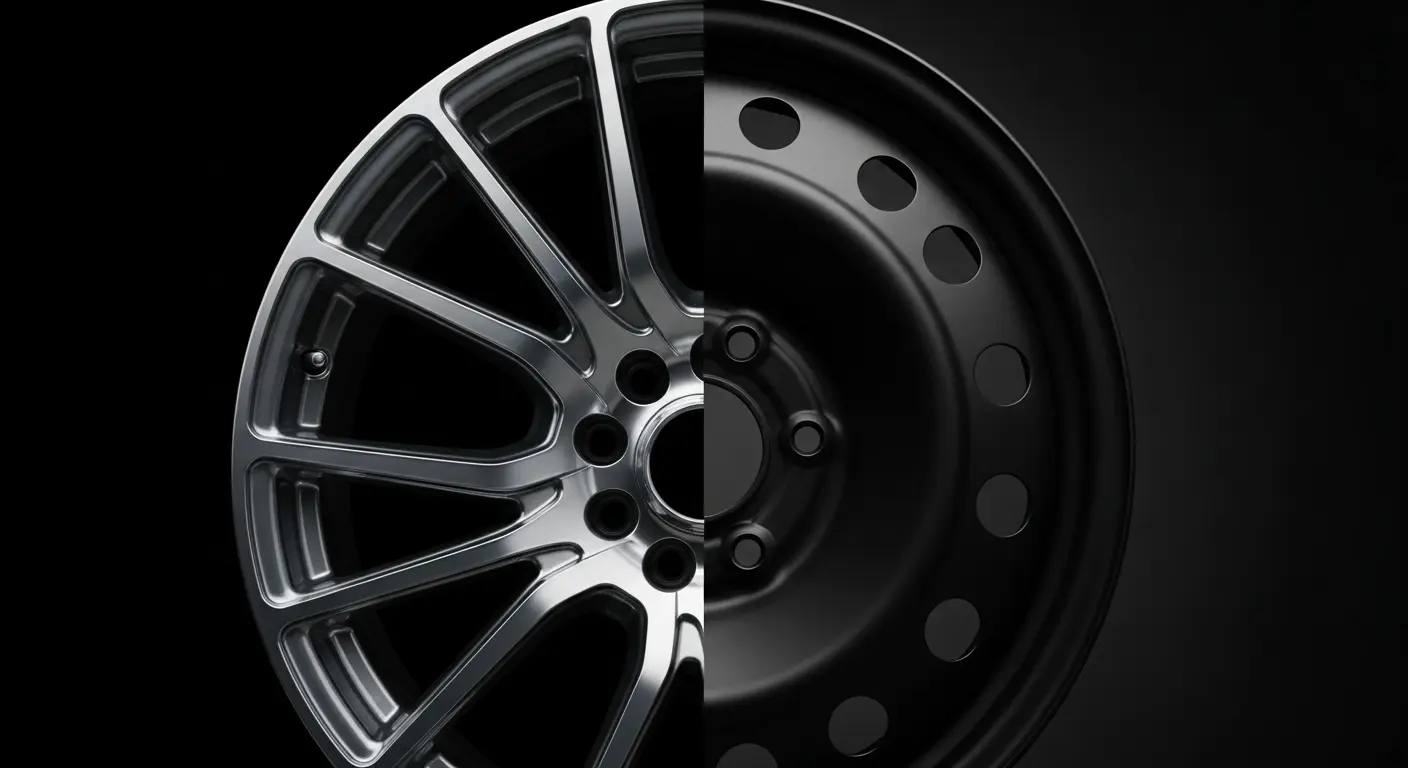
Choosing the right wheels can affect the performance, style, and even the budget of your car. The alloy wheels vs steel wheels debate is a common one, especially for Indian drivers who face everything from monsoon-soaked roads to city traffic. In this blog, you’ll discover the true differences, pros and cons of each type, and how to choose the best wheels for your needs.
What Are Steel Wheels?
Steel wheels, sometimes called steel rims, are made from durable pressed steel. If you look at many entry-level Indian cars, older models, or heavy commercial vehicles, you’ll see steel wheels underneath. They’re the original workhorse, simple in design, built to last, and great at taking a beating from daily driving, potholes, or off-road conditions.
Steel wheels tend to be heavier but are cost-effective and less likely to shatter; instead, they bend when hit hard, and local mechanics can often repair them easily. The downside is that they’re susceptible to rust if not coated properly and generally come in basic designs that may not appeal to style-focused car owners.
What Are Alloy Wheels?
Alloy wheels are made by mixing metals, typically aluminum with materials like magnesium or nickel. These wheels are instantly recognizable on premium cars and city hatchbacks for their modern, eye-catching designs and glossy finishes. Besides elevating your car’s appearance, alloys are much lighter than steel, improving handling and overall performance.
Because they dissipate heat more efficiently, alloy wheels can boost braking performance, which is useful when you’re driving long distances or frequently starting and stopping. And in India’s coastal or humid cities, alloys are a smart choice since they don’t rust. However, if you hit a deep pothole at speed, alloys are more likely to crack compared to steels which only bend. Repairs for cracked alloys, if they’re even possible, are expensive.
Alloy Wheels vs Steel Wheels: Comparison Table
| Feature | Steel Wheels | Alloy Wheels |
| Weight | Heavier | Lighter |
| Durability | Very strong, bends under force | Can crack on hard impact |
| Rust/Corrosion | Can rust, if coating wears off | Highly resistant, does not rust |
| Repair | Easy, inexpensive | Costly, sometimes not repairable |
| Price | Budget-friendly | Higher upfront cost |
| Looks | Simple, utilitarian | Stylish, many finishes |
| Handling & Braking | Adequate, robust | Better handling and braking |
| Customization | Limited | Highly customizable |
| Off-road Suitability | Excellent for rough roads | Not ideal for rugged use |
| Longevity | Long with care | Long in city use, careful with potholes |
| Heaviness | Heavier than alloys | Lighter, boosts efficiency |
Advantages of Steel Wheels
The biggest advantages of steel wheels come down to their ruggedness and low cost. Families and fleet operators across India often choose steel wheels because:
- They’re budget-friendly, making them popular for taxis, family cars, and rugged SUVs.
- Steel wheels are highly durable, able to handle potholes and rough terrain. Rather than cracking, they often bend, making repairs simpler and cheaper.
- If you frequent off-road trails or drive in areas with lots of broken roads, steel wheels’ extra weight can actually help with traction.
- Maintenance is straightforward, and even if you damage them, most local mechanics can fix a bent steel rim easily and affordably.
But remember, they can rust if you don’t keep them properly painted or coated, especially after heavy rains or in areas with salty air.
Advantages of Alloy Wheels
The advantages of alloy wheels often attract drivers who care about style, performance, and ease of maintenance:
- Being lighter than steel, alloys improve acceleration, braking, and cornering. They make your car feel more agile in city traffic or on the open highway.
- Alloys dissipate heat more efficiently, keeping your brakes cooler, essential for long drives or stop-go city commutes, especially in summer.
- Unlike steels, alloys won’t rust or corrode, which is a big plus in coastal cities like Mumbai or Chennai.
- Alloy rims are available in countless designs, from subtle to sporty, helping your car stand out wherever you go.
However, all that style and performance does come at a price. Alloy wheels cost more upfront and can be expensive, sometimes impossible, to repair if they crack due to a hard impact.
Pros and Cons of Alloy Wheels
Pros:
- Lighter weight means better fuel efficiency and livelier handling.
- Improved braking performance and safety, especially at higher speeds.
- No risk of rust, less maintenance required.
- Wide variety of premium designs and finishes.
Cons:
- They cost more than steel wheels, both to buy and to repair.
- Prone to cracking if you hit a serious pothole or kerb; sometimes the only fix is a replacement.
- Can be scratched easily, especially with careless parking or rough cleaning.
You might notice that luxury car owners, and those who want a distinct, high-tech look, tend to prefer alloys. But for everyday use on unpredictable roads, some stick with steels for peace of mind.
Pros and Cons of Steel Wheels
Pros:
- Inexpensive to buy and repair.
- Extremely tough, bend instead of crack, so repairs are easy.
- Great for off-road, bad roads, and heavy-duty use.
Cons:
- Heavier wheels mean your car works harder, affecting mileage very slightly.
- Prone to rust if the paint or protective coating chips away.
- Only available in basic designs, no flash or shine.
Their simplicity and price make steel wheels a solid choice for Indian conditions, especially outside big cities.
Steel or Alloy Wheels: Which Is Better for You?
When it comes to which is better: alloy or steel wheels, it depends on your needs and driving habits.
Steel wheels excel if you:
- Drive on rough, uneven, or off-road terrain.
- Want the least expensive option for repairs and replacements.
- Don’t mind basic looks or heavier handling.
Alloy wheels are your best bet when you:
- Drive mostly on city roads or highways.
- Care about style, lighter handling, and improved performance.
- Prefer rust-free, modern-looking wheels.
- Are willing to spend more on aesthetics and ride quality.
For Indian car owners who frequently drive on both highways and village roads during festivals or family visits, some choose alloys for daily use and keep a set of steel wheels as backup.
You can tell if your car uses alloys or steel by checking the design: alloys are more intricate and shiny, while steel wheels are typically simpler. A quick magnet test will also help—steel wheels attract magnets, while alloys usually don’t.
Making the Right Choice for Indian Roads
Indian roads are a mix of smooth flyovers and jarring potholes. If you live in a city, use your car for daily office runs or family trips on the highway, alloy wheels may be the smarter option for the performance and visual upgrade they offer. On the other hand, if you venture off the beaten track, travel through rural regions, or value easy repairs and toughness, steel wheels are still king.
Steel wheels might feel heavier, but that extra weight is handy in slippery, muddy, or rocky terrain, just ask anyone who’s driven through a rainy patch of Himachal or Maharashtra! Alloy wheels don’t rust, great for India’s coastal climate, but do watch out for those deep urban potholes since alloy rims can crack under severe force. Either way, quality and regular maintenance will stretch the lifespan of both types, ensuring they serve you well for years.
Conclusion: Alloy Wheels vs Steel Wheels, Your Best Bet?
Ultimately, choosing between alloy wheels vs steel wheels comes down to what you value most. Do you want rugged reliability and minimal repair costs? Steel wheels will suit you. Crave a stylish, lightweight, and rust-resistant upgrade for your city commute? Alloy wheels are hard to beat.
Both options have their place on Indian roads. Think about your daily routes, budget, and how you want your car to look and feel. Make an informed choice, and you’ll enjoy every journey—whatever the wheels beneath you.