
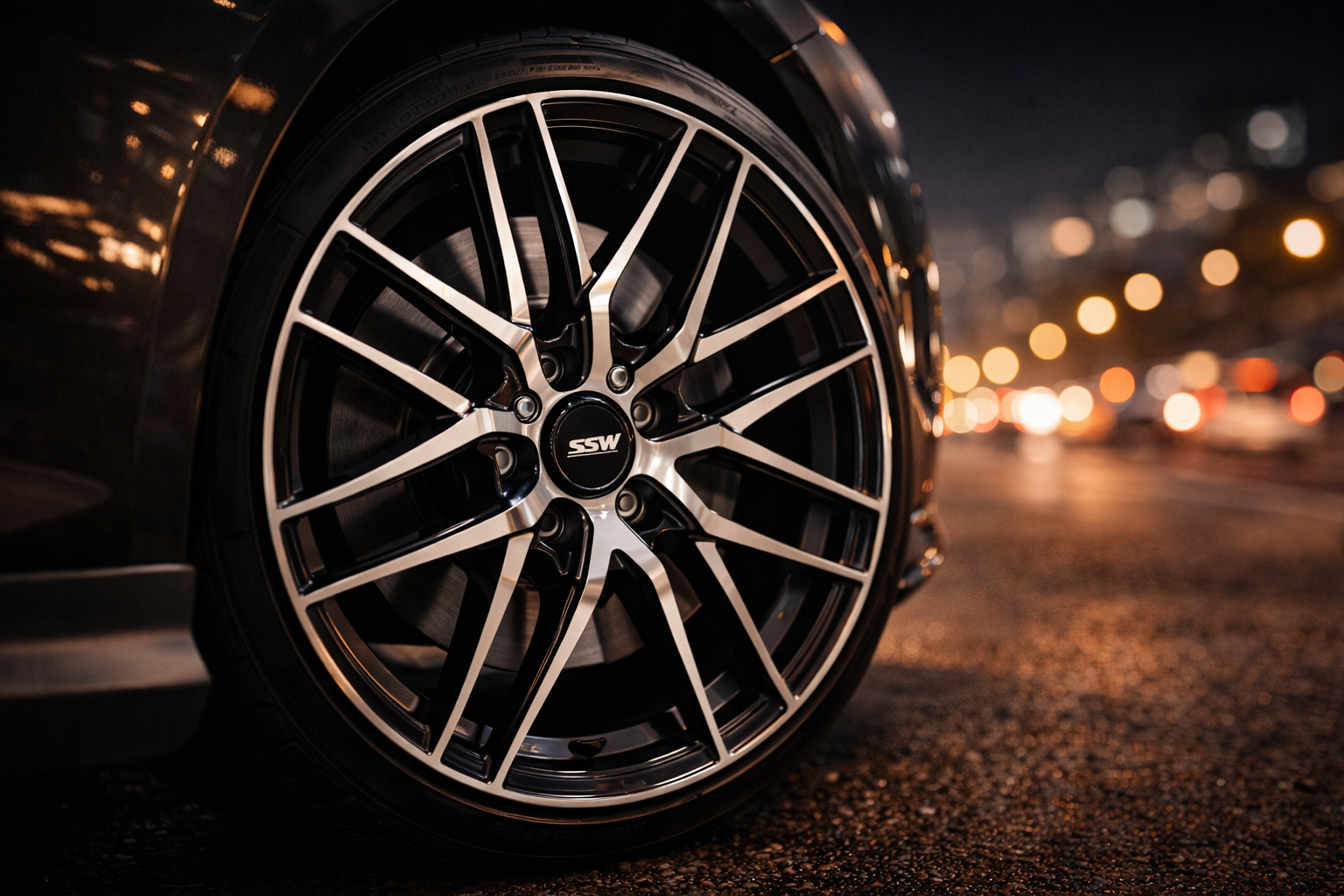
We all know the feeling. You walk away from your car, turn back for that one last look, and see those alloy wheels gleaming in the sun. It is a moment of pure pride. Alloy wheels are often the first upgrade car lovers make because they completely transform the look of a vehicle. But here in Bengaluru, keeping them looking showroom-new is a different story entirely.
Between the unpredictable monsoon rains, the dust from endless metro construction, and the infamous potholes on the Outer Ring Road, your wheels go through a lot. They face tough conditions every single time you drive out. Many drivers think alloys are just about aesthetics, but they actually play a huge role in your car’s handling and braking performance. That is why alloy wheel maintenance is not just about vanity. It is about safety and protecting your investment.
If you have noticed your wheels losing their shine or picking up scratches, you are not alone. The good news is that with a bit of regular attention and the right techniques, you can keep them in top shape for years. We are here to guide you through practical steps that fit into your busy schedule. Let’s dive into how you can protect those rims and keep your car looking its absolute best.
Why SSW Alloy Wheels Are Worth the Extra Care
When talking about premium upgrades, SSW (Stamford Sport Wheels) often comes up as a top choice for enthusiasts. If you have invested in a set of SSW wheels, you already know they are a cut above the rest. Known for their lightweight engineering and stunning finishes, they offer a perfect balance of performance and style.
However, owning high-quality rims like SSW comes with responsibility. The intricate designs and specialized finishes, whether hyper silver, matte black, or milled accents, require specific care. They are more susceptible to harsh chemicals than standard factory wheels. Using a highly acidic cleaner on a set of SSW rims can dull their finish instantly. Because these wheels are often lighter to improve suspension response, they also need you to be more vigilant about potholes. Treating them right ensures that the “unsprung weight” advantage they provide lasts for the life of the car.
The Golden Rules of Cleaning Your Alloys
Cleaning sounds simple enough, but doing it wrong can actually cause more harm. You should never wash your wheels when they are hot. If you have just driven home from a long commute through Whitefield or Indiranagar, your wheels and brakes will be scorching hot. Spraying cold water on hot metal can cause the rotors to warp or the alloy finish to crack due to rapid thermal contraction. Always let them cool down first.
You also need to choose your chemicals wisely. Many household cleaners are too acidic or too alkaline for the delicate finish on alloy wheels. Using dish soap might strip away protective wax layers. We always recommend using a dedicated pH-neutral wheel cleaner.
How to clean alloy wheels the right way:
- Rinse First: Blast away loose dirt and mud with a pressure washer or hose.
- Apply Cleaner: Spray your specific wheel cleaner and let it dwell for a few minutes. You will often see it turn purple as it reacts with the iron in the brake dust.
- Agitate: Use a soft-bristled wheel brush to get into the tight spots between the spokes. Don’t use the same sponge you use for the car body, as wheel dirt can scratch your paint.
- Rinse and Dry: Wash it all off and dry the wheels with a clean microfiber cloth to prevent water spots.
Polishing: Bringing Back the Shine
Cleaning gets the dirt off, but polishing is what makes the wheels pop. Over time, your wheels will develop micro-scratches and a dull haze from exposure to the elements. This is where alloy wheel maintenance moves from basic hygiene to aesthetic restoration.
Alloy wheel polishing is essential for removing these fine imperfections and oxidation. You can do this by hand or with a machine, but the goal is to smooth out the surface. If you have diamond-cut alloys, be very careful with abrasive polishes. For standard painted or clear-coated alloys, a good quality automotive polish works wonders.
Apply a small amount of polish to a foam applicator or a microfiber cloth. Work it into the surface in small circular motions. You will see the cloth turning black or grey, which means the oxidation is coming off. Buff it off with a clean towel, and you will immediately see a difference in depth and reflection. Doing this once every few months keeps the finish looking factory-fresh.
Protecting Your Rims from Indian Roads
Once your wheels are clean and polished, you need to lock that shine in. Naked alloy wheels are vulnerable. You wouldn’t drive without waxing your car paint, and your wheels deserve the same protection.
For Bengaluru drivers, protection is crucial during the monsoon. The sludge on our roads contains oil, rubber, and grit that can stain your wheels permanently. A ceramic coating acts as a sacrificial layer that takes the beating so your expensive alloys don’t have to.
We cannot talk about alloy wheel maintenance without talking about how you drive. Potholes are the enemy. Hitting a pothole at speed is the fastest way to bend or crack an alloy. When you navigate our unique road conditions, you need to be extra cautious. For a deeper dive into specific driving habits that save your wheels, check out our guide on Indian Roads & Your Rims: Essential Maintenance Tips.
Choosing the Right Products: Budget vs. Premium
When stocking up on maintenance supplies, you might wonder if you really need the expensive stuff. Is a premium wheel cleaner better than a generic all-purpose cleaner?
The answer is usually yes, especially for alloy wheels. Premium cleaners are formulated to be pH balanced, meaning they clean without eating into the lacquer. Cheap acids clean fast but damage the wheel over time. This principle applies to many car upgrades. Whether it is choosing between a generic set of rims or branded SSW wheels, or picking your cleaning fluids, understanding the value proposition is key. You can read more about making these choices in our article on Budget vs Premium Car Accessories: What’s Worth It.
| Maintenance Step | Frequency | DIY or Professional? |
| Basic Wash | Weekly | DIY |
| Deep Decontamination | Monthly | DIY |
| Alloy Wheel Polishing | Every 3-6 Months | DIY / Professional |
| Ceramic Coating | Every 1-2 Years | Professional Recommended |
| Alignment Check | Every 5000 km | Professional |
Handling Minor Scratches and Corrosion
Even with the best care, minor damage can happen. You might notice a small scratch or a bit of bubbling paint near the center cap. Addressing these issues early prevents them from spreading.
For light scratches, a bit of polishing compound might remove them. Deeper scratches that have gone through the paint need touch-up paint. You can find color-matched paint for most standard alloy wheels. Clean the area with rubbing alcohol, apply the paint carefully, and let it cure.
If you see corrosion bubbling up, it means moisture has gotten under the lacquer. This usually requires professional refurbishment to sand down the area and re-apply the clear coat. Ignoring this will eventually lead to the paint peeling off in large chunks.
Conclusion
Your alloy wheels are one of the most striking features of your car. They deserve more than just a quick splash of water every now and then. By understanding how to maintain alloy wheels effectively and committing to a routine of cleaning and protection, you can keep them turning heads for years.
Remember to let them cool before washing, use the right pH-neutral chemicals, and keep an eye out for those inevitable potholes. Whether you are rocking a set of sporty SSW alloys or your factory rims, consistency is key.
Ready to give your wheels the VIP treatment? Visit Car Decor today and let us help you upgrade and protect your ride.